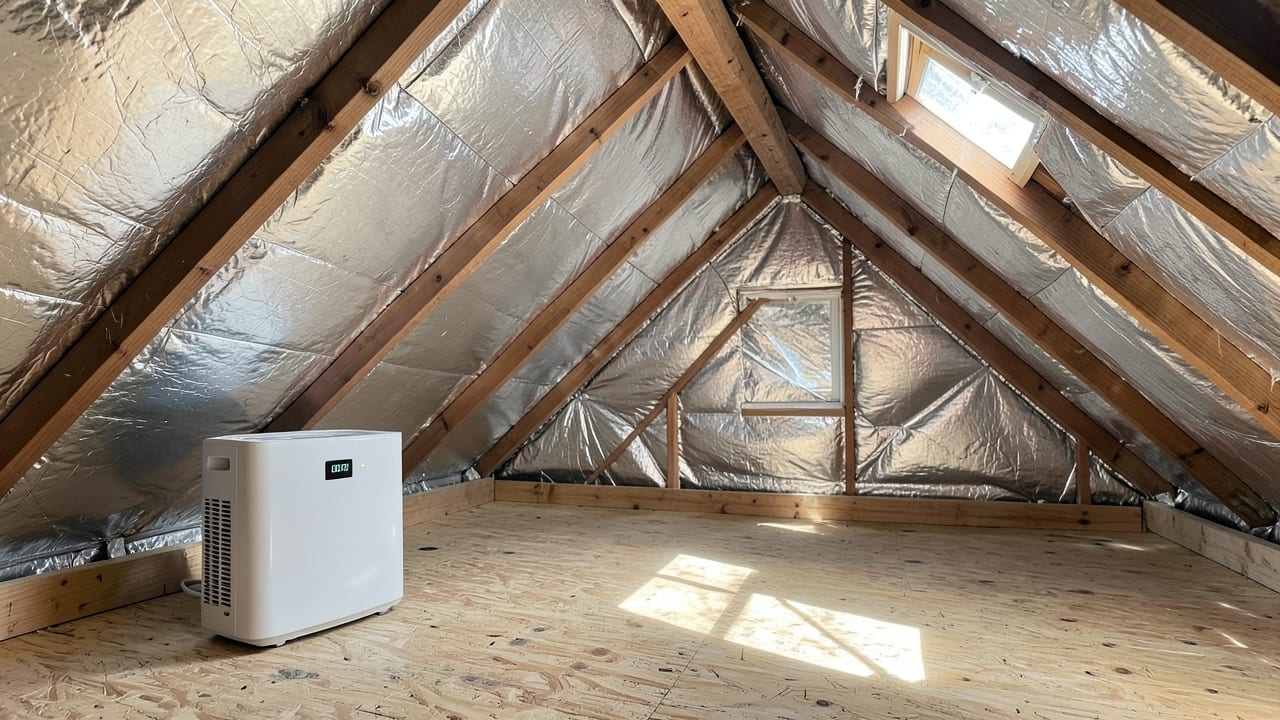
Pre-Winter Mold Prevention
Pre-winter mold prevention involves inspection and treatment to stop mold growth before cold weather.
As Foley, AL, temperatures drop and humidity lingers, pre-winter mold prevention is critical for protecting your home. Before cold weather traps moisture in attics, basements, and crawl spaces, sealing leaks, improving ventilation, and applying preventive treatments can stop mold growth before it starts.
This proactive approach saves time, money, and health risks by addressing hidden vulnerabilities before they become costly repairs.
We also handle Hallway Mold Remediation and HOA Mold Remediation for Foley properties.
When mold prevention becomes a must-do
Mold often hides until it’s too late, but there are clear signs it’s time to act. If you notice mold covering more than a small patch (especially over 25 square feet), or if it keeps returning after cleaning, the problem is likely deeper than surface growth.
A musty smell with no visible mold—especially one that worsens when your HVAC runs—often signals hidden moisture in walls, under flooring, or inside ductwork.
Pre-winter is the ideal time to tackle these issues before cold weather locks in humidity. Rooms that stay damp, like windowless bathrooms or basements, are prime spots for regrowth. Addressing moisture sources now—like fixing leaks, improving airflow, or adjusting grading—prevents mold from taking hold when winter arrives.
Signs You Need Pre-Winter Mold Prevention
- Mold covering more than 25 contiguous square feet (a common threshold for professional intervention).
- Visible mold that returns within weeks after cleaning (indicates an unresolved moisture source).
- A persistent musty odor with no visible mold, especially when HVAC is running (hidden growth likely).
- Condensation or water stains on walls, ceilings, or floors (signs of trapped moisture).
- Rooms that feel damp or stuffy even after drying attempts (poor airflow or ventilation).
What affects cost and timing?
Pre-winter mold prevention costs depend on the size of the affected area, the severity of the mold, and whether hidden moisture sources need fixing. Black mold cases typically add 15-25% to the cost due to stricter containment and cleanup protocols.
Timing also plays a role—addressing issues before winter storms hit can prevent secondary damage like warped wood or compromised insulation.
Most jobs fall within a standard range, but factors like structural drying, containment, and clearance testing can adjust the total. A full quote should include inspection, remediation, and post-cleanup verification to avoid surprises. Comparing bids based on square footage and included services ensures you’re getting a fair estimate.
What to watch for in a quote
Not all quotes are created equal—some may exclude critical steps like containment or clearance testing, leading to incomplete work. A legitimate estimate should specify whether it covers inspection, remediation, and post-job verification, as well as the square footage being treated. Vague language or pressure to sign quickly are red flags.
Ask if the company uses third-party lab testing to confirm mold species and clearance after remediation. Hidden mold discovered mid-job can change costs, so a written scope of work with itemized pricing protects you from unexpected fees.
Always verify the contractor’s licensing for mold work in Alabama, as requirements vary by state.
| Red Flag | Why It Matters |
|---|---|
| Verbal price with no written scope | No way to compare bids or hold the company accountable for missing services. |
| Pressure to sign during the inspection visit | Legitimate scopes take time to prepare—rushing skips your chance to compare options. |
| No mention of post-remediation clearance testing | Without independent verification, you won’t know if the mold was fully removed. |
| Full payment requested upfront | Removes leverage if the job isn’t completed as promised. |
How pre-winter mold prevention works
This service focuses on sealing leaks, improving airflow, and treating vulnerable areas before winter traps moisture.
- 1Containment Setup
Plastic sheeting and negative-air machines seal off the work area to prevent spores from spreading during removal. This keeps contaminated air contained while the team works.
- 2Material Removal and Cleaning
Porous materials like drywall or insulation that absorb mold are cut out and bagged, while non-porous surfaces (framing, tile) are scrubbed and treated. HEPA-filtered equipment ensures spores aren’t recirculated.
- 3Structural Drying
Industrial dehumidifiers and air movers dry framing and subfloors to normal moisture levels, preventing regrowth on damp surfaces.
- 4Clearance Testing
An independent lab tests air or surfaces post-remediation to confirm spore counts are back to safe levels before containment is removed.
- 5Moisture Source Fix
The team addresses leaks, condensation, or grading issues that caused the mold in the first place—without fixing these, regrowth is likely.
Frequently asked questions
Can I handle small mold patches myself, or should I call a professional?
If the mold covers less than 25 square feet and hasn’t returned after cleaning, DIY solutions like vinegar or bleach may work. However, hidden moisture or black mold requires professional containment, removal, and testing to prevent spread or regrowth.
Why does my musty smell keep coming back after cleaning?
A recurring odor often means the moisture source—like a leak, poor ventilation, or condensation—wasn’t fixed. Mold prevention targets these root causes to stop regrowth before it starts.
How long does pre-winter mold prevention take?
Most jobs take 1–3 days, depending on the affected area’s size and complexity. Containment, drying, and testing add time, but addressing issues before winter prevents longer repairs later.
Will my insurance cover pre-winter mold prevention?
Insurance typically covers mold damage caused by sudden events (like leaks), but preventive work isn’t usually included. Check your policy or ask your agent—some providers offer endorsements for moisture-related repairs.
Where Foley sits, and what the Census lists nearby
Foley sits in Alabama, and the closest places listed in the U.S. Census Gazetteer are Elberta (4.4 miles east), Summerdale (5.7 miles north), Bon Secour (6.5 miles southwest), Magnolia Springs (6.7 miles west). Within 25 miles of Foley the same source lists 21 distinct incorporated places and census-designated places.
Those figures matter for pre-winter mold prevention because they are straight-line distances between Census coordinate points: road mileage between Foley and Elberta runs longer than the 4.4 miles shown, which is why quotes for the same job differ between towns that look close together on a map.
Source: U.S. Census Bureau Gazetteer.
See Daphne, AL for more, or check out our full Foley-area coverage in detail for our complete lineup.
Ready to get started?
Talk to a local mold remediation pro in Foley — get a written quote.
Other Mold Remediation Services in Foley
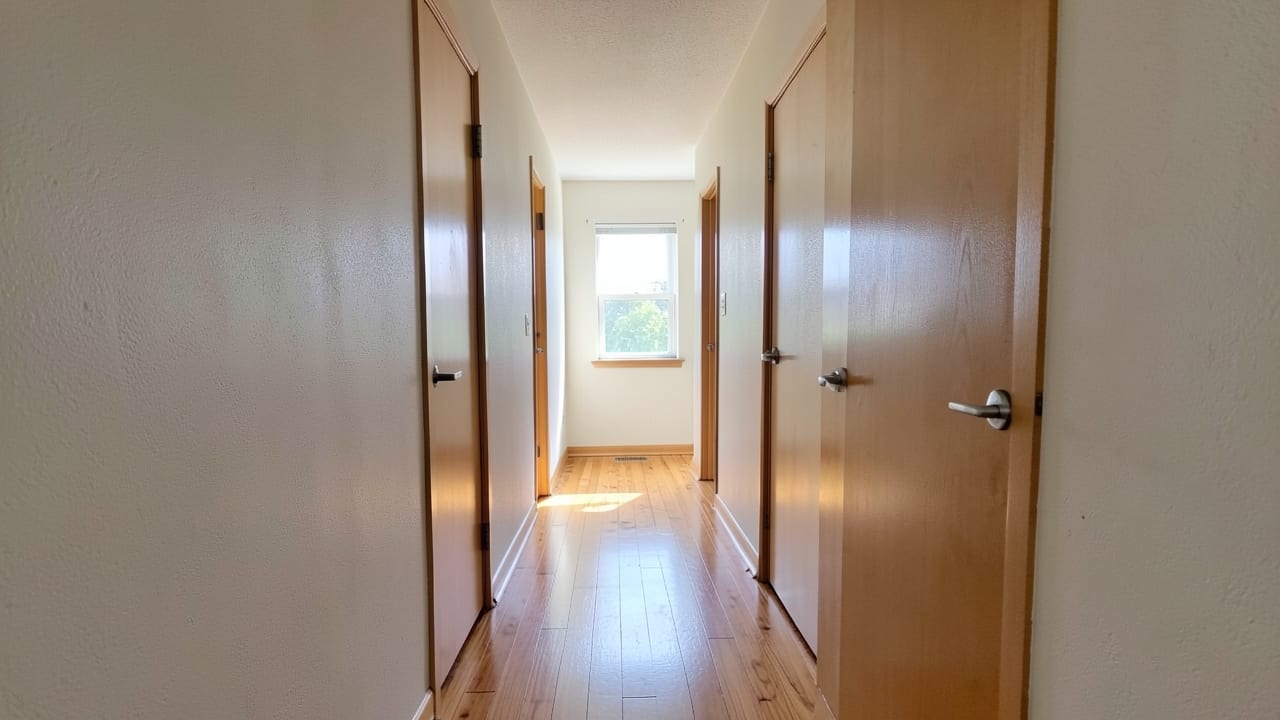
Hallway Mold Remediation in Foley, AL
Professional removal and treatment of mold growth in residential hallways.
Learn More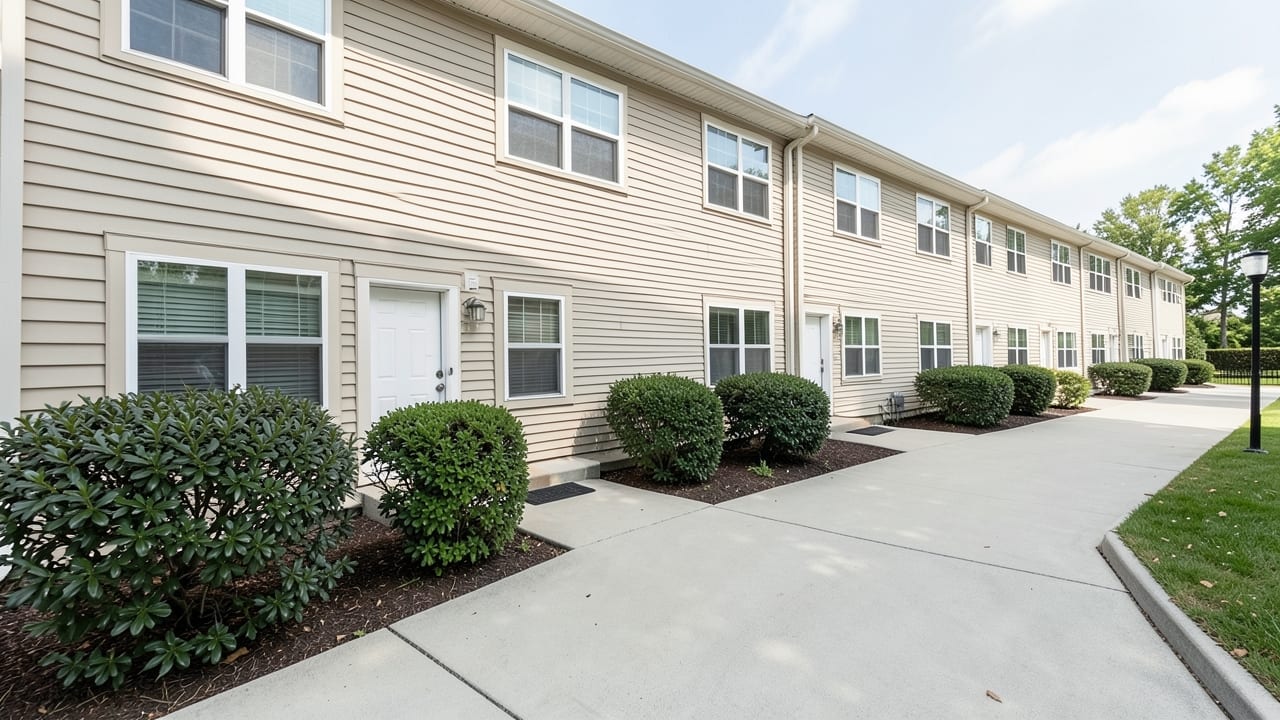
HOA Mold Remediation in Foley, AL
Professional mold removal and remediation for HOA properties to restore safe, healthy living conditions.
Learn More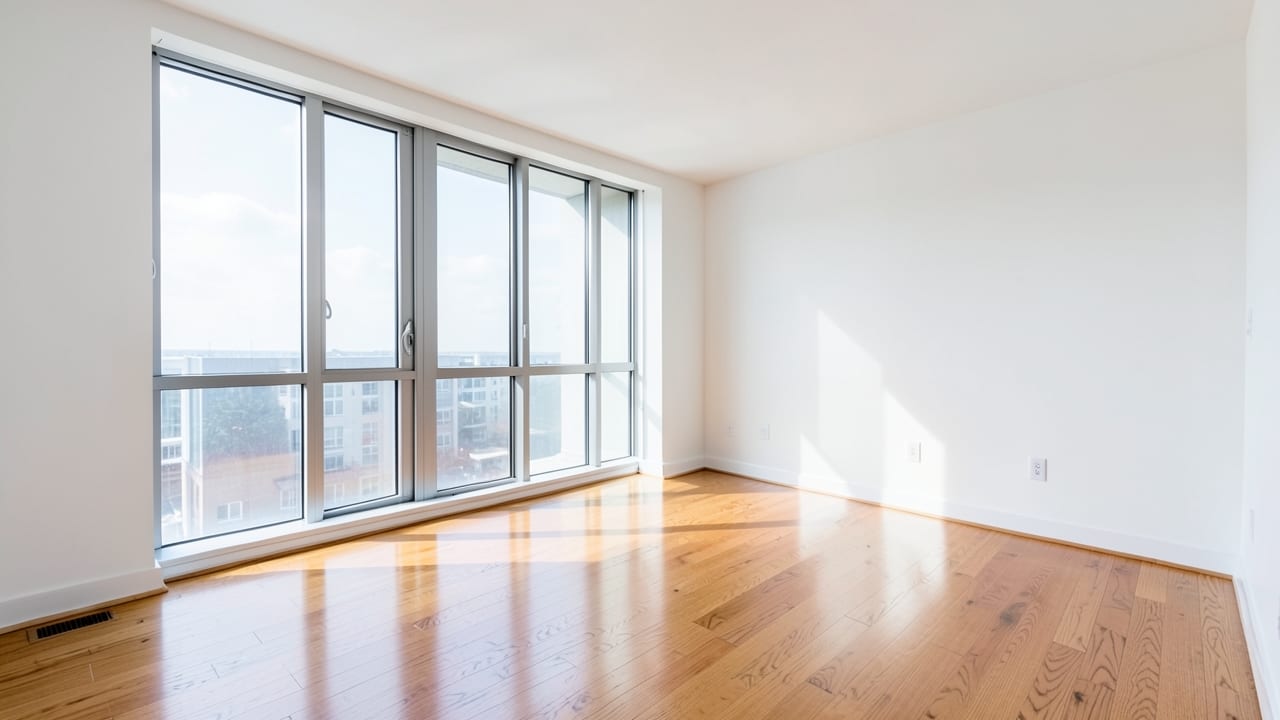
Condo Mold Remediation in Foley, AL
Professional removal and treatment of mold in condominiums to restore safe, healthy living spaces.
Learn More
Restaurant Mold Remediation in Foley, AL
Professional mold removal and remediation for restaurant spaces to ensure safety and compliance.
Learn More
Salt Air Mold Remediation in Foley, AL
Professional mold assessment, containment, removal, and prevention in affected areas of the home.
Learn More
Pest Infestation Mold Remediation in Foley, AL
Professional mold removal and remediation for pest-related infestations in homes.
Learn MoreCommon Questions About Mold Remediation in Foley
Everything you need to know about mold remediation services in Foley
How much does Pre-Winter Mold Prevention typically cost in Foley, AL?
Why does Foley, AL's humidity make mold a bigger risk than in drier regions?
What's the actual difference between mold removal and mold remediation?
Is a final clearance test part of a typical mold remediation job?
How does mold remediation actually prevent the problem from coming back?
Can mold growing inside HVAC ductwork spread to the rest of a home?
Need Mold Remediation in Foley?
Connect with local providers in Foley for a detailed quote.
⏰ We answer your call • Serving all of Foley and surrounding areas