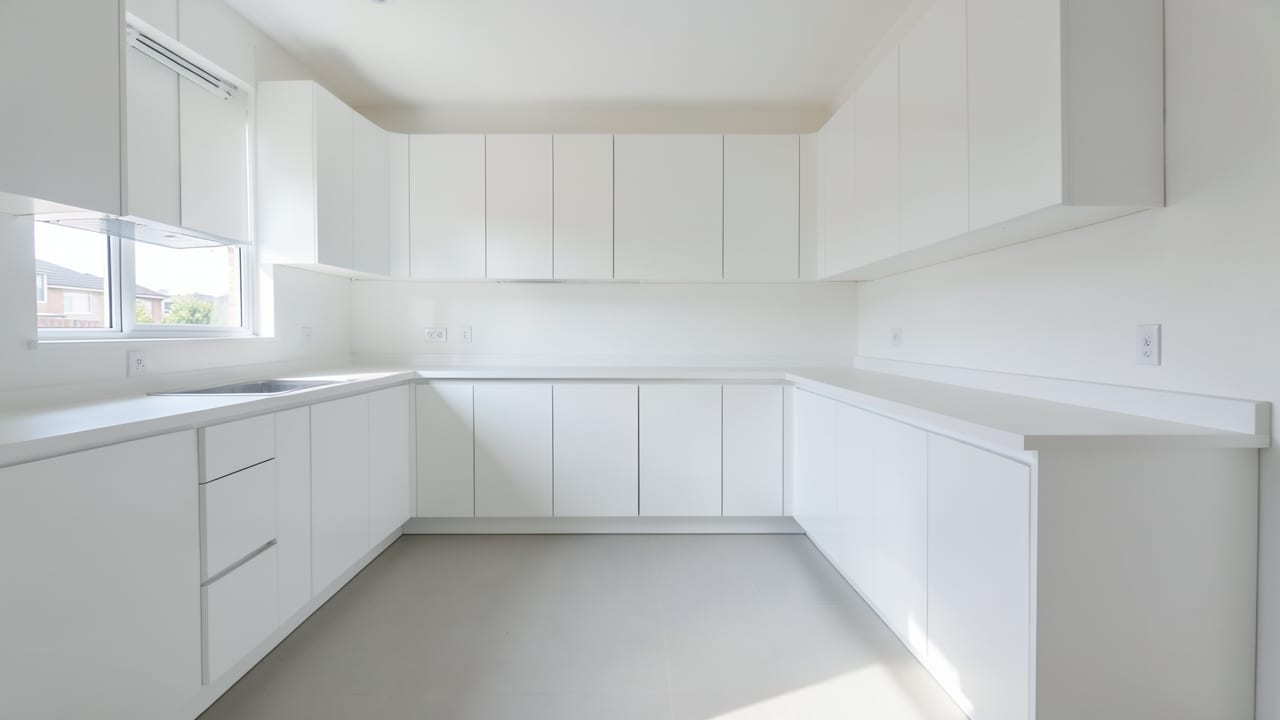
Rental Property Mold Cleanup
Professional mold removal and remediation for rental properties to restore safe living conditions.
Mold in rental properties in Foley, AL, requires professional cleanup to prevent health risks and structural damage. Trained technicians identify hidden growth, contain spores, remove contaminated materials, and dry affected areas before clearance testing confirms safety.
Addressing moisture sources is critical to prevent regrowth in humid coastal climates like Baldwin County’s.
We also handle Attic Mold Remediation and Commercial Mold Remediation for Foley properties.
When mold cleanup becomes a job for professionals
Small, isolated patches of mold can often be cleaned with household products, but certain signs indicate a need for professional remediation. Growth covering more than 25 contiguous square feet—Texas’s threshold for requiring licensed work—means spores are likely airborne and spreading beyond visible surfaces.
Repeated regrowth in the same spot almost always signals an unresolved moisture issue, such as a leak or poor ventilation, rather than ineffective cleaning.
Hidden mold is another red flag: musty odors with no visible source often mean growth is behind walls, under flooring, or inside HVAC ducts. If the smell intensifies when the heating or cooling system turns on, spores are circulating through the entire house.
Professional tools, like thermal imaging or moisture meters, can detect these hidden problems before they worsen.
Signs You Need Professional Mold Cleanup
- Mold covers more than a small, isolated patch (25+ sq ft) or keeps returning after cleaning
- Musty smell with no visible mold, especially when HVAC runs or in windowless rooms
- Visible mold is black (Stachybotrys) or grows in multiple rooms simultaneously
- Condensation, leaks, or persistent dampness in walls, ceilings, or basements
What affects cost and timeline
The total cost of mold remediation depends on the size of the affected area, the type of materials involved, and whether hidden growth requires structural work. Porous materials like drywall and insulation are typically removed and replaced, while non-porous surfaces like tile or metal framing can be cleaned and treated.
Black mold (Stachybotrys) often increases costs by 15–25% due to stricter containment and disposal protocols.
Timelines vary based on containment setup, drying requirements, and clearance testing. Jobs with extensive hidden mold or structural damage may take several days, while smaller, surface-level issues can be resolved in a single day.
Humidity levels in Baldwin County can slow drying, so industrial dehumidifiers are often needed to bring moisture readings back to safe levels before reoccupying the space.
Why clearance testing matters
After remediation, an independent clearance test—either air or surface sampling—verifies that spore counts have returned to safe levels. Without this step, there’s no way to confirm whether the job was fully effective.
Many homeowners assume the work is done once visible mold is gone, but hidden spores can linger in HVAC systems, wall cavities, or under flooring, leading to regrowth within months.
Clearance testing also protects against future disputes with insurers or potential buyers. If mold reappears, documented pre- and post-remediation tests provide objective proof of whether the issue was properly addressed.
In Foley’s humid climate, periodic humidity checks in previously affected areas during the first year can catch early recurrence before it spreads.
Remediation without clearance testing leaves hidden spores undetected. A musty smell or new patches after the crew leaves often mean the moisture source wasn’t fixed—or the job wasn’t thorough enough.
How rental property mold cleanup works
Professional remediation follows strict containment and safety protocols to prevent spore spread.
- 1Containment Setup
Plastic sheeting and negative-air machines seal the work area, creating a controlled zone where disturbed spores stay contained instead of spreading through hallways or HVAC ducts.
- 2Material Removal or Treatment
Porous materials like drywall and insulation, which absorb mold, are cut out and bagged. Non-porous surfaces like tile or metal framing are scrubbed with antimicrobial treatments and HEPA-vacuumed.
- 3Structural Drying
Industrial dehumidifiers and air movers reduce moisture in framing and subfloors to prevent regrowth. Mold cannot survive on dry materials, even after spores are removed.
- 4HEPA Filtration
HEPA air scrubbers run continuously during the job, and surfaces are vacuumed with HEPA-equipped tools to capture spores instead of recirculating them into the air.
- 5Clearance Testing
An independent lab tests air or surfaces post-remediation to confirm spore levels are back to normal before containment is removed and the space is reoccupied.
Frequently asked questions
Can I clean mold myself if it’s just a small patch?
Yes, for very small, isolated patches (under 10 sq ft) on non-porous surfaces, you can use a bleach solution or commercial mold cleaner. However, if the mold is black, covers a larger area, or keeps returning, professional remediation is safer and more effective to prevent hidden growth.
How do I know if the mold is coming from a leak I can’t see?
Look for water stains on ceilings or walls, warped baseboards, or a musty smell in windowless rooms like closets or bathrooms. A moisture meter or thermal imaging can detect hidden dampness. If you suspect a leak, fixing it before remediation is critical to prevent regrowth.
Will my insurance cover mold cleanup?
Most homeowners’ insurance policies cover sudden water damage (like a burst pipe) that leads to mold, but not gradual issues (like chronic humidity). Check your policy for exclusions, and document the moisture source—like a leak or poor ventilation—to strengthen a claim. Professional remediation reports may also be required.
How long until the space is safe to use after cleanup?
Once containment is removed and clearance testing confirms safe spore levels, the area is typically safe to reoccupy. However, if structural drying was required, the space may need 24–48 hours of normal humidity before full use. Avoid storing belongings in the area until testing is complete.
Where Foley sits, and what the Census lists nearby
Foley sits in Alabama, and the closest places listed in the U.S. Census Gazetteer are Elberta (4.4 miles east), Summerdale (5.7 miles north), Bon Secour (6.5 miles southwest), Magnolia Springs (6.7 miles west). Within 25 miles of Foley the same source lists 21 distinct incorporated places and census-designated places.
Those figures matter for rental property mold cleanup because they are straight-line distances between Census coordinate points: road mileage between Foley and Elberta runs longer than the 4.4 miles shown, which is why quotes for the same job differ between towns that look close together on a map.
Source: U.S. Census Bureau Gazetteer.
See Elberta, AL for more, or check out the rest of our Foley lineup by service type for our complete lineup.
Ready to get started?
Talk to a local mold remediation pro in Foley — get a written quote.
Other Mold Remediation Services in Foley
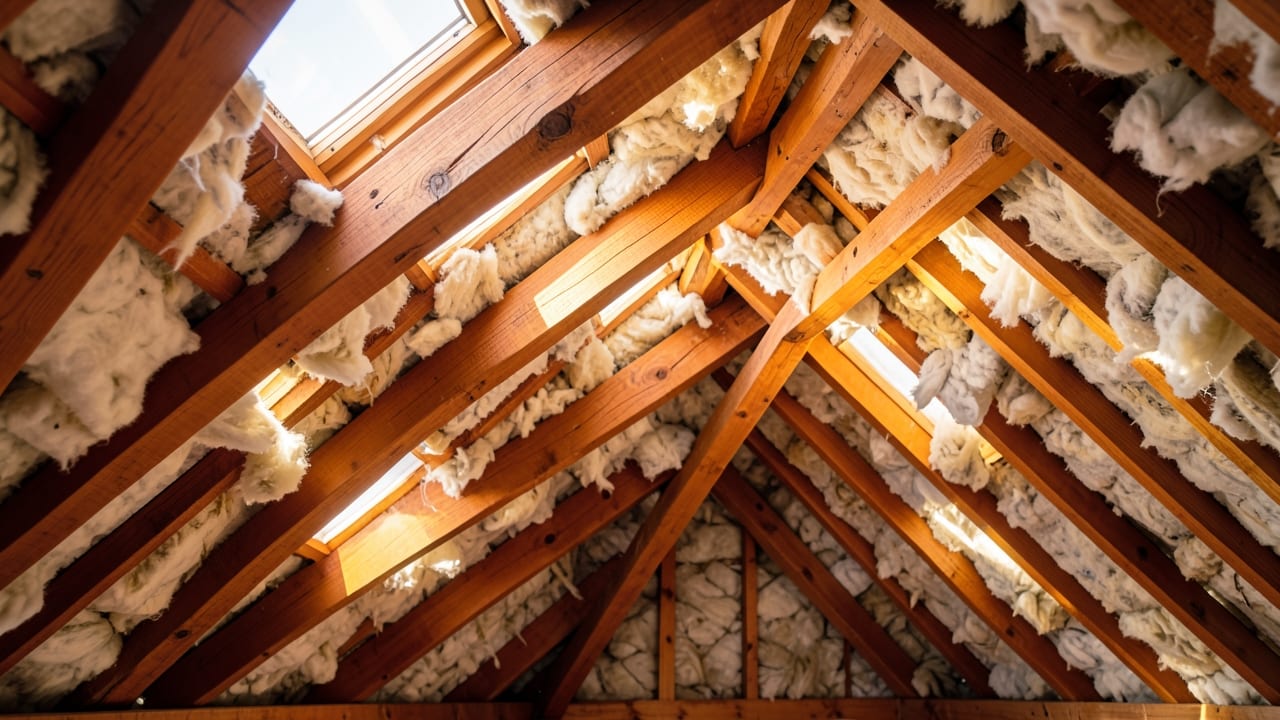
Attic Mold Remediation in Foley, AL
Attic mold remediation in Foley, AL addresses roof-deck growth typically caused by poor ventilation or a hidden roof leak.
Learn More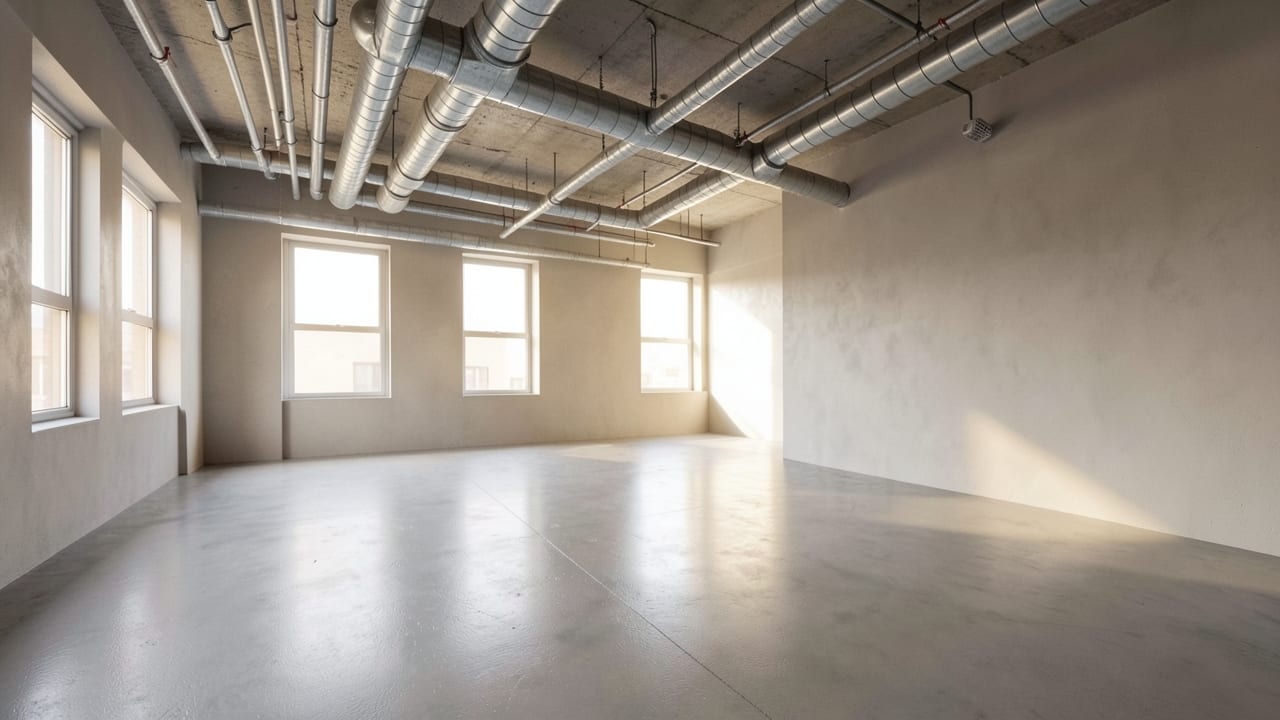
Commercial Mold Remediation in Foley, AL
Commercial mold inspection and remediation in Foley, AL for offices, retail space, and multi-unit properties, scheduled around business operations.
Learn More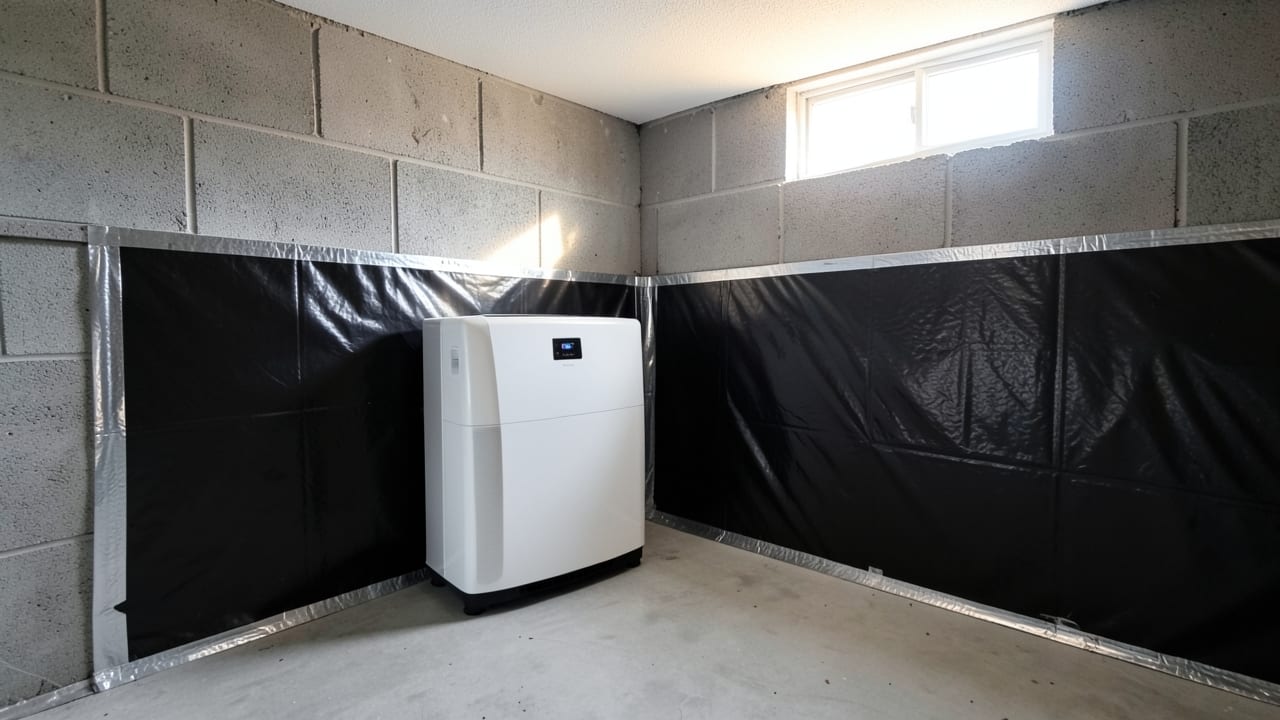
Mold Prevention & Moisture Control in Foley, AL
Mold prevention and moisture control in Foley, AL — addressing ventilation, humidity, and drainage before growth starts, not after.
Learn More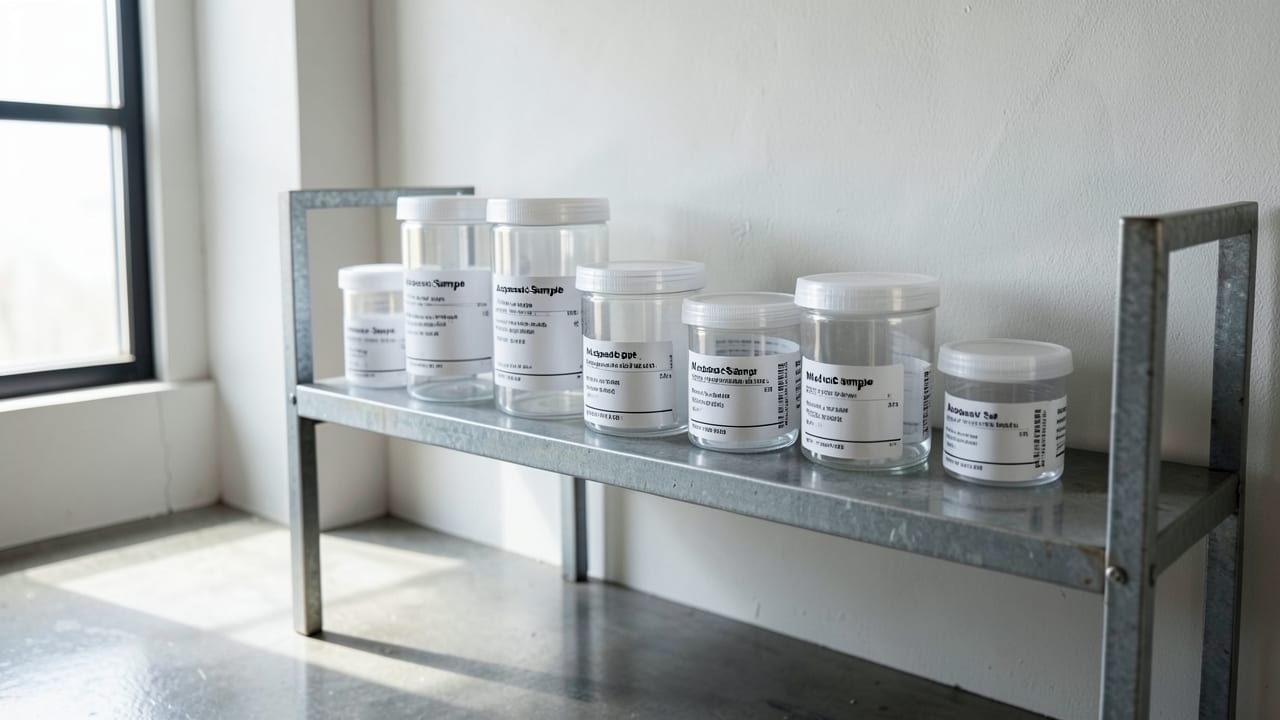
Mold & Asbestos Testing in Foley, AL
Combined mold and asbestos testing in Foley, AL — one inspection visit, lab-verified results for both.
Learn More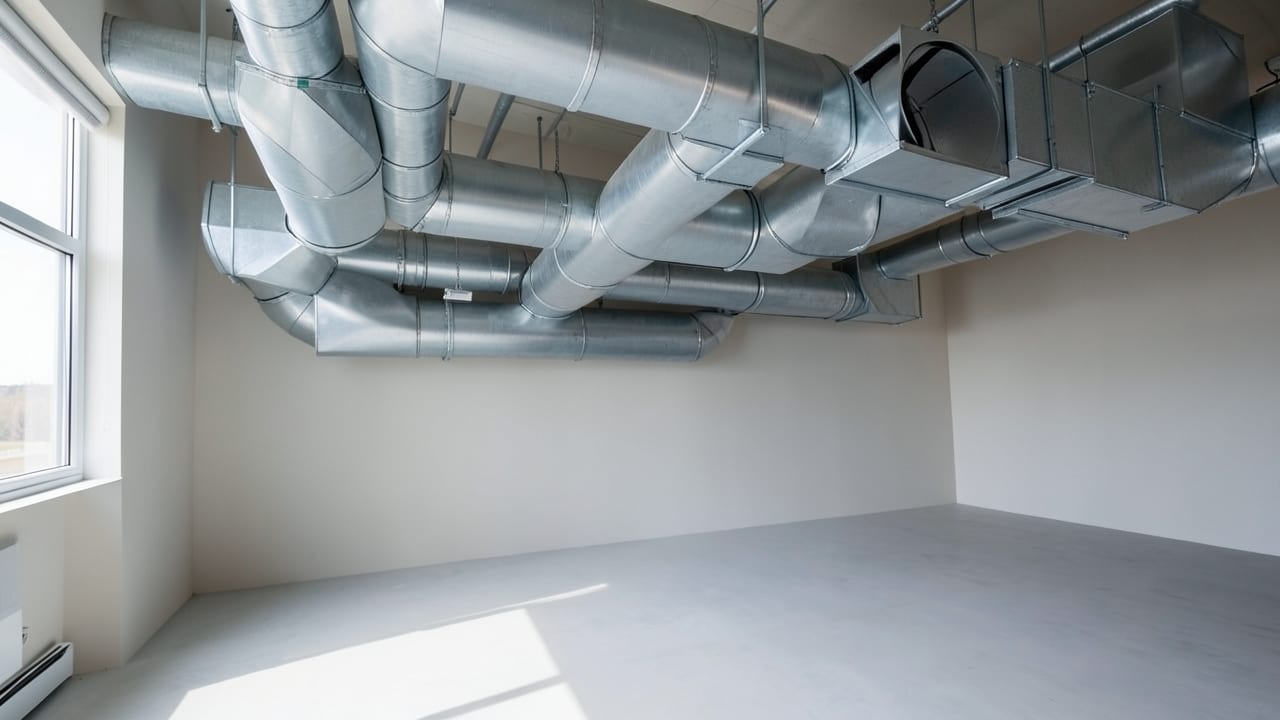
HVAC Mold Remediation in Foley, AL
HVAC and ductwork mold remediation in Foley, AL — mold growing inside the air handler or duct system, spreading through every vent.
Learn More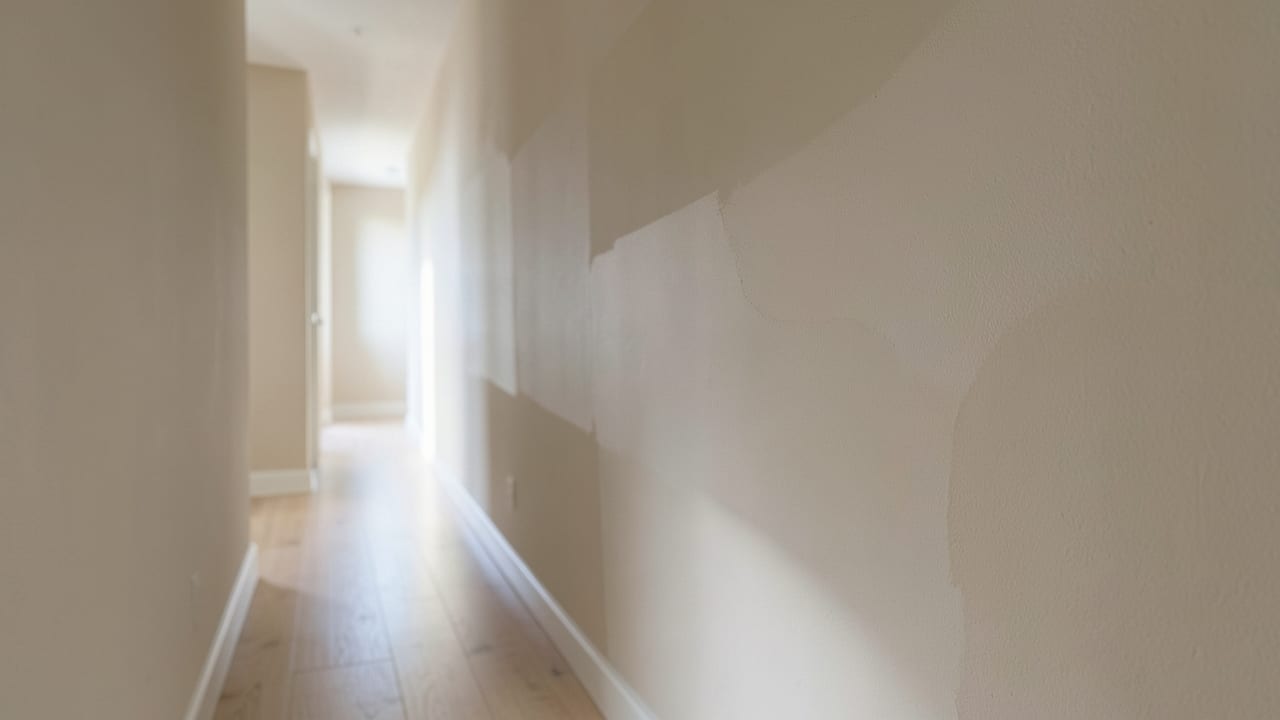
Drywall Mold Remediation in Foley, AL
Professional removal and treatment of mold growth behind or on drywall surfaces.
Learn MoreCommon Questions About Mold Remediation in Foley
Everything you need to know about mold remediation services in Foley
How much does Rental Property Mold Cleanup typically cost in Foley, AL?
Why does Foley, AL's humidity make mold a bigger risk than in drier regions?
Is a final clearance test part of a typical mold remediation job?
How does mold remediation actually prevent the problem from coming back?
Can mold growing inside HVAC ductwork spread to the rest of a home?
Does mold mean the same thing as mildew?
Need Mold Remediation in Foley?
Connect with local providers in Foley for a detailed quote.
⏰ We answer your call • Serving all of Foley and surrounding areas