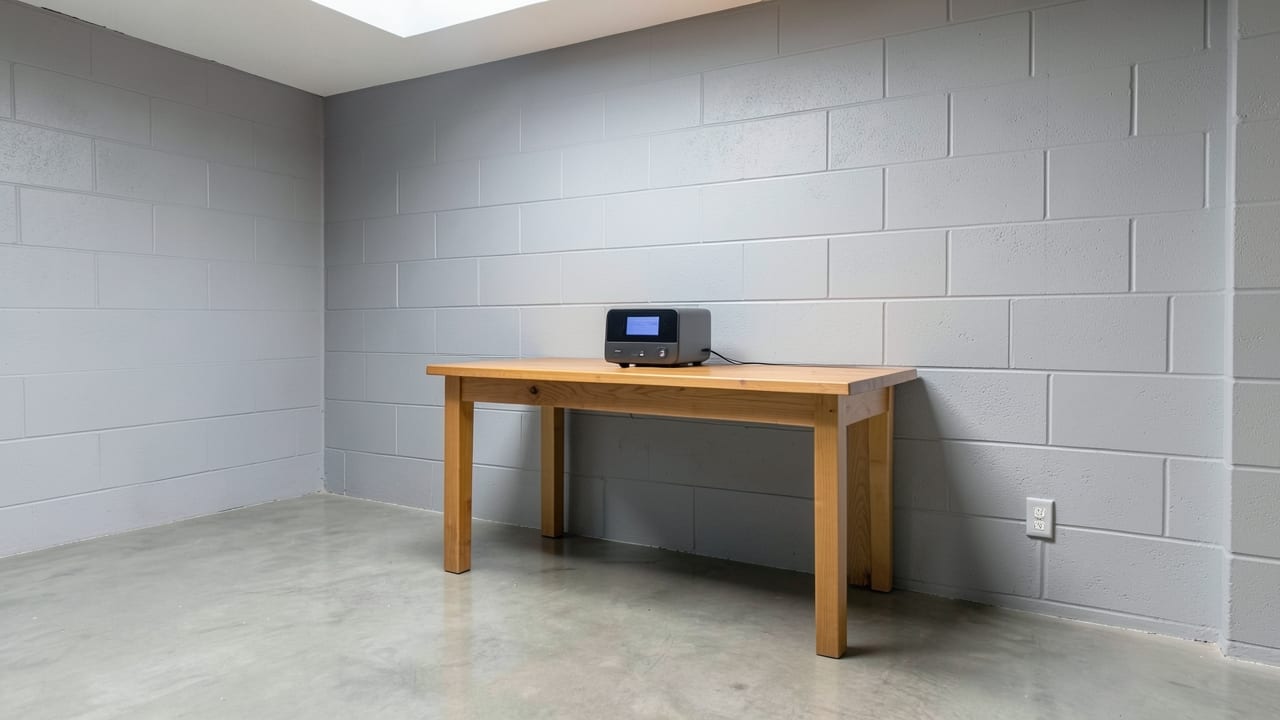
Pre-Sale Mold Clearance
Pre-sale mold clearance involves inspection and testing to confirm a property is mold-free before purchase.
Pre-sale mold clearance in Foley, AL, is a critical step for homeowners preparing to sell their property. This process involves a thorough inspection, sampling, and lab analysis to identify and document mold presence before a sale.
It helps ensure a smooth transaction by addressing potential issues upfront and providing a clear record for buyers and sellers alike. Mold can hide in unseen areas, so a professional assessment is the only way to confirm a property is truly clear before closing.
We also handle Rental Property Mold Cleanup and School Mold Remediation for Foley properties.
Why pre-sale mold clearance matters
Mold growth can go unnoticed for years, often hidden behind walls, under floors, or in crawl spaces. In Foley’s humid climate, moisture from leaks, poor ventilation, or flooding creates ideal conditions for mold to thrive.
Without professional clearance, hidden mold can resurface after a sale, leading to disputes or costly repairs for the new owner.
A pre-sale assessment uses scientific methods to detect mold and trace its source. This isn’t just about spore counts—it’s about identifying where moisture is entering your home and how to stop it. Without fixing the moisture issue, mold can return, no matter how thorough the remediation.
Signs You Need a Pre-Sale Mold Assessment
- A persistent musty or earthy smell in closets, bathrooms, or crawl spaces that doesn’t fade after airing out.
- Visible mold spots—black, green, brown, or dark speckles—on drywall, grout, window frames, or under carpets.
- A history of water damage, leaks, or flooding that wasn’t fully addressed (e.g., a ‘fixed’ roof leak or basement seepage).
- Health symptoms (sneezing, headaches, itchy eyes) that improve when you’re away from a specific room or area.
- Discoloration or bubbling on walls, ceilings, or floors, which may indicate hidden water damage and mold growth.
What the assessment covers
A pre-sale mold clearance inspection goes beyond surface checks. It includes a visual walkthrough, moisture detection using meters and thermal imaging, and targeted sampling from affected areas plus a control room for accurate lab comparison. This ensures results reflect actual contamination levels, not cross-contamination from the inspection itself.
The process also traces moisture back to its source—whether it’s a roof leak, plumbing issue, poor grading, or condensation. Without addressing the root cause, mold can regrow, making the clearance report incomplete. The final document outlines affected materials, moisture sources, and square footage, which is essential for remediation planning.
What to expect from a clearance report
The written scope report is the backbone of the pre-sale clearance process. It details which materials are mold-affected, the likely moisture source, and the square footage involved. This document is used by remediation contractors to price the job and, in some states, is legally required before work begins.
Without it, you risk incomplete remediation or disputes over what was promised.
The report also distinguishes between visible mold and hidden contamination. For example, surface mold in a bathroom might be obvious, but moisture trapped in wall cavities or subfloors could indicate a larger, unseen problem. The goal is to provide a clear, actionable roadmap for addressing mold—and preventing it from returning.
| What’s Included in a Clearance Report | Why It Matters |
|---|---|
| Visual inspection notes (affected areas, moisture signs) | Identifies where mold is actively growing or where conditions are ripe for it. |
| Moisture source diagnosis (roof, plumbing, grading, etc.) | Fixing the source stops mold from returning after remediation. |
| Lab-confirmed spore counts and species identification | Proves the property is clear of contamination before sale. |
| Square footage of affected materials | Helps contractors provide an accurate remediation quote. |
| Control-room sampling results for comparison | Ensures lab results aren’t skewed by cross-contamination during testing. |
How pre-sale mold clearance works
This process combines inspection, sampling, and lab analysis to document mold presence—and its source—before a home sale.
- 1Visual and Moisture Inspection
A trained inspector examines every accessible area of the home, looking for visible mold, staining, or musty odors. They use moisture meters and thermal imaging to detect hidden dampness in walls, floors, and ceilings, mapping affected rooms before sampling.
- 2Air and Surface Sampling
Where mold isn’t visibly obvious, spore-trap air samples and surface swabs are collected from suspect areas plus one unaffected control room. This ensures lab results can be compared against a baseline, not judged in isolation.
- 3Independent Lab Analysis
Samples are sent to a third-party accredited lab for species identification and spore concentration testing. Results typically return in 2–5 business days, with no influence from the inspector or property owner.
- 4Moisture Source Diagnosis
The inspector traces moisture back to its origin—whether it’s a leaky pipe, poor ventilation, or exterior drainage. This step is critical because addressing the source prevents mold from regrowing after remediation.
- 5Written Scope Report
Findings are compiled into a detailed report outlining affected materials, moisture sources, and square footage. This document is used by remediation contractors and, in some states, is required by law before work begins.
Frequently asked questions
Can mold grow in my home even if I can’t see or smell it?
Yes. Mold often thrives in hidden areas like behind walls, under flooring, or inside HVAC systems. Humidity levels above 50% or minor leaks can create ideal conditions without visible signs. A professional inspection uses tools like moisture meters and thermal imaging to detect these issues.
What’s the difference between mold testing and pre-sale clearance?
Mold testing identifies presence and levels of contamination, while pre-sale clearance goes further by diagnosing moisture sources and providing a full report for remediation. Clearance ensures the home is truly clear of mold—and the conditions that cause it—before a sale.
How long does the entire pre-sale clearance process take?
The inspection and sampling take 2–4 hours, while lab results typically return in 2–5 business days. Once you have the report, addressing moisture issues or scheduling remediation depends on the findings, but the clearance documentation itself is usually complete within a week.
Will fixing mold raise my home’s value, or just help avoid problems later?
A pre-sale clearance report provides transparency to buyers, reducing the risk of last-minute negotiations or delays. While it may not directly increase value, it prevents costly disputes or repairs after the sale—saving you money and stress in the long run.
Where Foley sits, and what the Census lists nearby
Foley sits in Alabama, and the closest places listed in the U.S. Census Gazetteer are Elberta (4.4 miles east), Summerdale (5.7 miles north), Bon Secour (6.5 miles southwest), Magnolia Springs (6.7 miles west). Within 25 miles of Foley the same source lists 21 distinct incorporated places and census-designated places.
Those figures matter for pre-sale mold clearance because they are straight-line distances between Census coordinate points: road mileage between Foley and Elberta runs longer than the 4.4 miles shown, which is why quotes for the same job differ between towns that look close together on a map.
Source: U.S. Census Bureau Gazetteer.
See Bellview, FL for more, or check out the mold remediation work we do around Foley across the area for our complete lineup.
Ready to get started?
Talk to a local mold remediation pro in Foley — get a written quote.
Other Mold Remediation Services in Foley
Rental Property Mold Cleanup in Foley, AL
Professional mold removal and remediation for rental properties to restore safe living conditions.
Learn More
School Mold Remediation in Foley, AL
Professional mold removal and remediation in schools to ensure a safe, healthy environment.
Learn More
Hospital Mold Removal in Foley, AL
Professional assessment and removal of mold in hospitals to ensure a safe, healthy environment.
Learn More
Brick Masonry Mold Treatment in Foley, AL
Professional mold treatment and removal from brick masonry to restore structural integrity and indoor air quality.
Learn More
Stairwell Mold Remediation in Foley, AL
Professional mold removal and prevention in stairwells to restore safe, clean spaces.
Learn More
Balcony Mold Cleanup in Foley, AL
Professional removal and treatment of mold growth on balconies and adjacent structures.
Learn MoreCommon Questions About Mold Remediation in Foley
Everything you need to know about mold remediation services in Foley
How much does Pre-Sale Mold Clearance typically cost in Foley, AL?
Why does Foley, AL's humidity make mold a bigger risk than in drier regions?
What's the actual difference between mold removal and mold remediation?
Is a final clearance test part of a typical mold remediation job?
How does mold remediation actually prevent the problem from coming back?
Can mold growing inside HVAC ductwork spread to the rest of a home?
Need Mold Remediation in Foley?
Connect with local providers in Foley for a detailed quote.
⏰ We answer your call • Serving all of Foley and surrounding areas