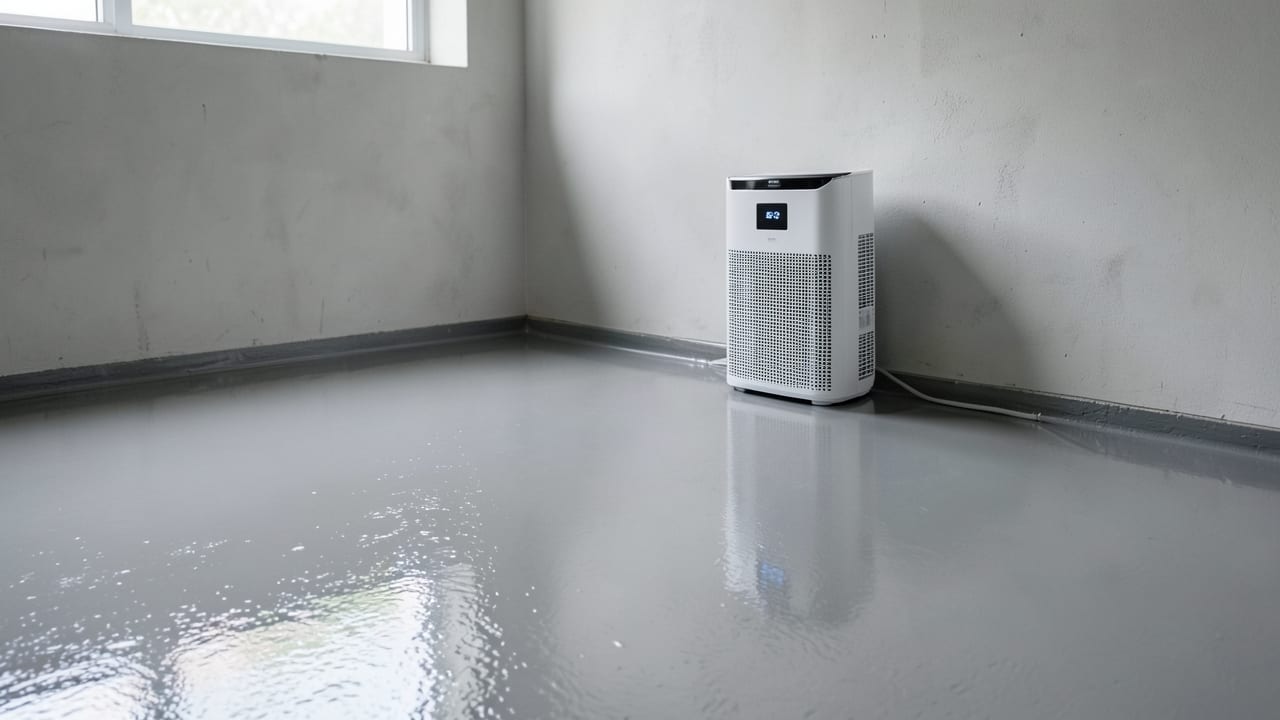
Post-Remediation Sealing
Applying protective sealants to surfaces after mold remediation to prevent future growth.
In Foley, AL, post-remediation sealing is a critical final step after mold removal to prevent regrowth. Specialized coatings are applied to treated surfaces to block moisture and spores, ensuring long-term protection.
This process is essential for maintaining a healthy home environment, especially in humid coastal areas like Foley, Gulf Shores, and nearby communities.
We also handle Drywall Mold Remediation and Window Sill Mold Cleanup for Foley properties.
When is post-remediation sealing needed?
Post-remediation sealing is necessary after mold has been removed from porous materials like drywall, insulation, or carpet padding. If mold covers more than a small, isolated patch (typically over 25 square feet) or keeps returning after cleaning, professional sealing is required.
A musty smell with no visible mold often signals hidden growth behind walls or under flooring, making sealing essential to prevent recurrence.
Sealing is also critical after remediation in persistently damp areas like windowless bathrooms, basements, or closets. These spaces often have poor airflow, which allows moisture to linger and mold to return. Without sealing, even a fully remediated area can become reinfected if the underlying moisture issue isn’t addressed.
Signs You Need Post-Remediation Sealing
- Mold covers more than 25 contiguous square feet (a common threshold for professional intervention).
- Mold keeps returning to the same spot after cleaning, indicating an unresolved moisture source.
- A musty smell persists even after visible mold is removed, suggesting hidden growth.
- The affected area is in a persistently damp space, like a basement or windowless room.
What affects the cost and timeline?
The cost of post-remediation sealing depends on the size of the treated area, the type of sealant used, and whether additional work like moisture source repair is needed. Basic vapor barriers are less expensive than full encapsulation, which provides stronger protection but costs more.
The timeline also varies—small, contained areas may take a few hours, while larger or complex jobs (like sealing ductwork or hidden growth) can take days.
Clearance testing, which confirms the area is free of mold spores after sealing, is often billed separately. Some providers include it in the initial quote, while others charge extra, so always ask upfront.
Humidity control and structural drying (using dehumidifiers and air movers) may also extend the timeline but are critical to prevent future issues.
Common mistakes to avoid
Skipping containment during remediation is a major mistake—without plastic sheeting and negative-air machines, spores can spread to unaffected areas, turning a small job into a larger one. Similarly, using non-HEPA vacuums or air scrubbers recirculates spores instead of capturing them, undoing the remediation effort.
Another critical error is addressing mold without fixing the moisture source. Leaks, condensation, or poor grading must be resolved to prevent regrowth. Even with sealing, damp materials will eventually foster mold if the underlying issue persists. Always confirm that the moisture problem is solved before sealing.
Avoid bids with no written scope of work, pressure to sign during the inspection, or full payment requested upfront. Always verify if clearance testing is included—without it, there’s no proof the remediation worked.
How post-remediation sealing works
This process ensures treated surfaces stay protected after mold removal.
- 1Surface Preparation
All remediated surfaces are cleaned and dried to a normal moisture level using industrial dehumidifiers and air movers. Porous materials like drywall that absorbed mold are removed and replaced, while non-porous surfaces are scrubbed and treated.
- 2Sealant Application
Specialized coatings or encapsulants are applied to the treated areas. These sealants create a barrier that blocks moisture and prevents spores from settling on the surfaces, reducing the risk of future growth.
- 3Containment and Testing
The work area remains sealed with plastic sheeting and negative-air machines during the process. After sealing, an independent clearance test (air or surface sampling) confirms spore counts are back to normal before containment is removed.
- 4Moisture Source Fix
The underlying cause of the mold—such as leaks, condensation, or poor drainage—must be addressed to prevent recurrence. This often involves repairs like fixing plumbing leaks or improving ventilation in damp areas.
Frequently asked questions
How do I know if my mold problem is severe enough to need sealing?
If mold covers more than 25 square feet, keeps returning after cleaning, or you notice a musty smell with no visible growth, professional sealing is likely needed. Hidden mold behind walls or under flooring also requires sealing to prevent spread.
Will sealing alone stop mold from coming back?
No—sealing works best when combined with fixing the moisture source. If leaks, condensation, or poor airflow persist, mold will regrow even after sealing. Always address the root cause to ensure long-term protection.
How long does post-remediation sealing take?
The timeline varies. Small areas may take a few hours, while larger jobs (especially with hidden mold or ductwork) can take days. Structural drying and clearance testing add time but are essential for confirming the job is complete.
Do I need clearance testing after sealing?
Yes—clearance testing (air or surface sampling) by an independent party confirms the area is free of mold spores. Without it, there’s no way to verify the remediation worked, leaving your home at risk for recurrence.
Where Foley sits, and what the Census lists nearby
Foley sits in Alabama, and the closest places listed in the U.S. Census Gazetteer are Elberta (4.4 miles east), Summerdale (5.7 miles north), Bon Secour (6.5 miles southwest), Magnolia Springs (6.7 miles west). Within 25 miles of Foley the same source lists 21 distinct incorporated places and census-designated places.
Those figures matter for post-remediation sealing because they are straight-line distances between Census coordinate points: road mileage between Foley and Elberta runs longer than the 4.4 miles shown, which is why quotes for the same job differ between towns that look close together on a map.
Source: U.S. Census Bureau Gazetteer.
See Montrose, AL for more, or check out our complete Foley service list at a glance for our complete lineup.
Ready to get started?
Talk to a local mold remediation pro in Foley — get a written quote.
Other Mold Remediation Services in Foley
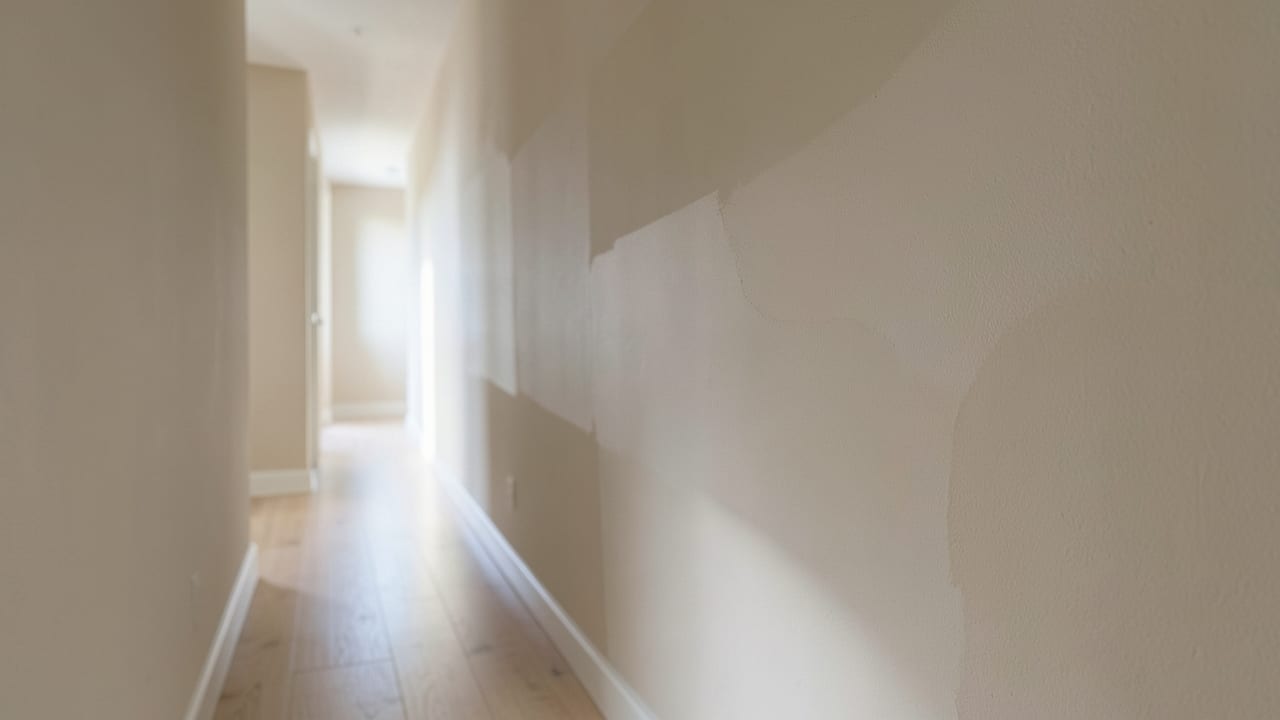
Drywall Mold Remediation in Foley, AL
Professional removal and treatment of mold growth behind or on drywall surfaces.
Learn More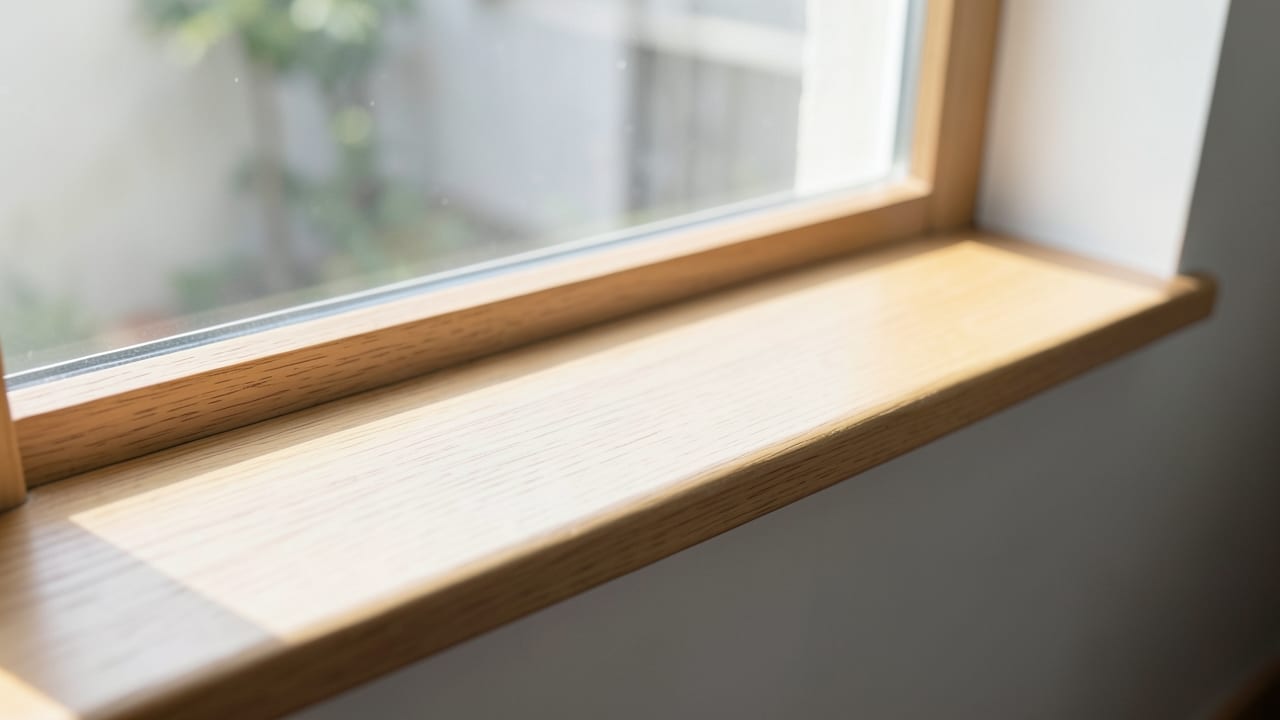
Window Sill Mold Cleanup in Foley, AL
Professional cleanup of mold growth on window sills to restore a healthy indoor environment.
Learn More
Flood Damage Mold Remediation in Foley, AL
Professional mold removal and remediation after flood damage in homes.
Learn More
Sewer Backup Mold Cleanup in Foley, AL
Professional cleanup of mold caused by sewer backups in homes.
Learn More
Pipe Leak Mold Removal in Foley, AL
Professional removal of mold caused by pipe leaks in homes.
Learn More
Roof Leak Mold Remediation in Foley, AL
Professional removal of mold caused by roof leaks to restore a safe, healthy home environment.
Learn MoreCommon Questions About Mold Remediation in Foley
Everything you need to know about mold remediation services in Foley
How much does Post-Remediation Sealing typically cost in Foley, AL?
Why does Foley, AL's humidity make mold a bigger risk than in drier regions?
Can small mold problems be handled without hiring anyone?
What's the actual difference between mold removal and mold remediation?
Is a final clearance test part of a typical mold remediation job?
How does mold remediation actually prevent the problem from coming back?
Need Mold Remediation in Foley?
Connect with local providers in Foley for a detailed quote.
⏰ We answer your call • Serving all of Foley and surrounding areas